
Last updated September 20, 2026
Full 25-point door and opener safety check with every visit - springs, cables, rollers, tracks, and your LiftMaster or Chamberlain opener included
You get a price before we start. It does not change when the truck arrives.
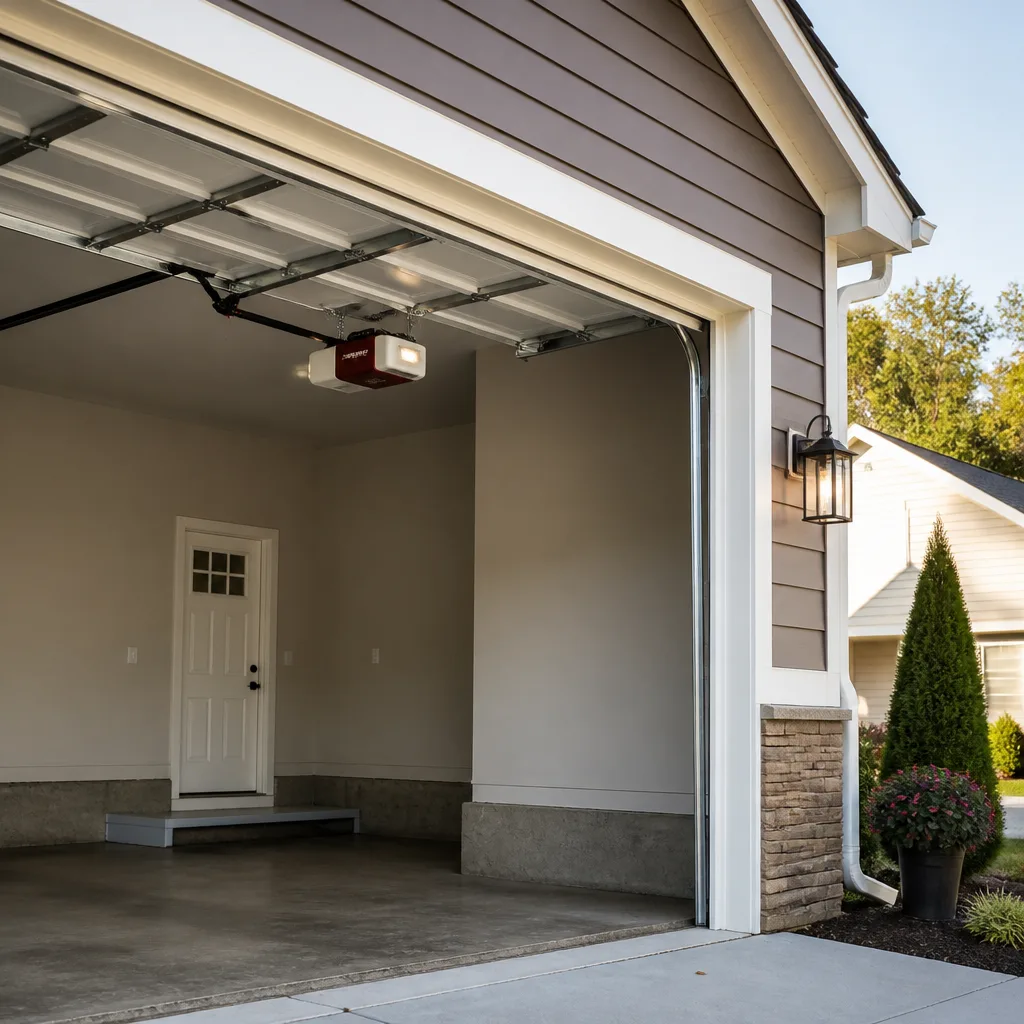
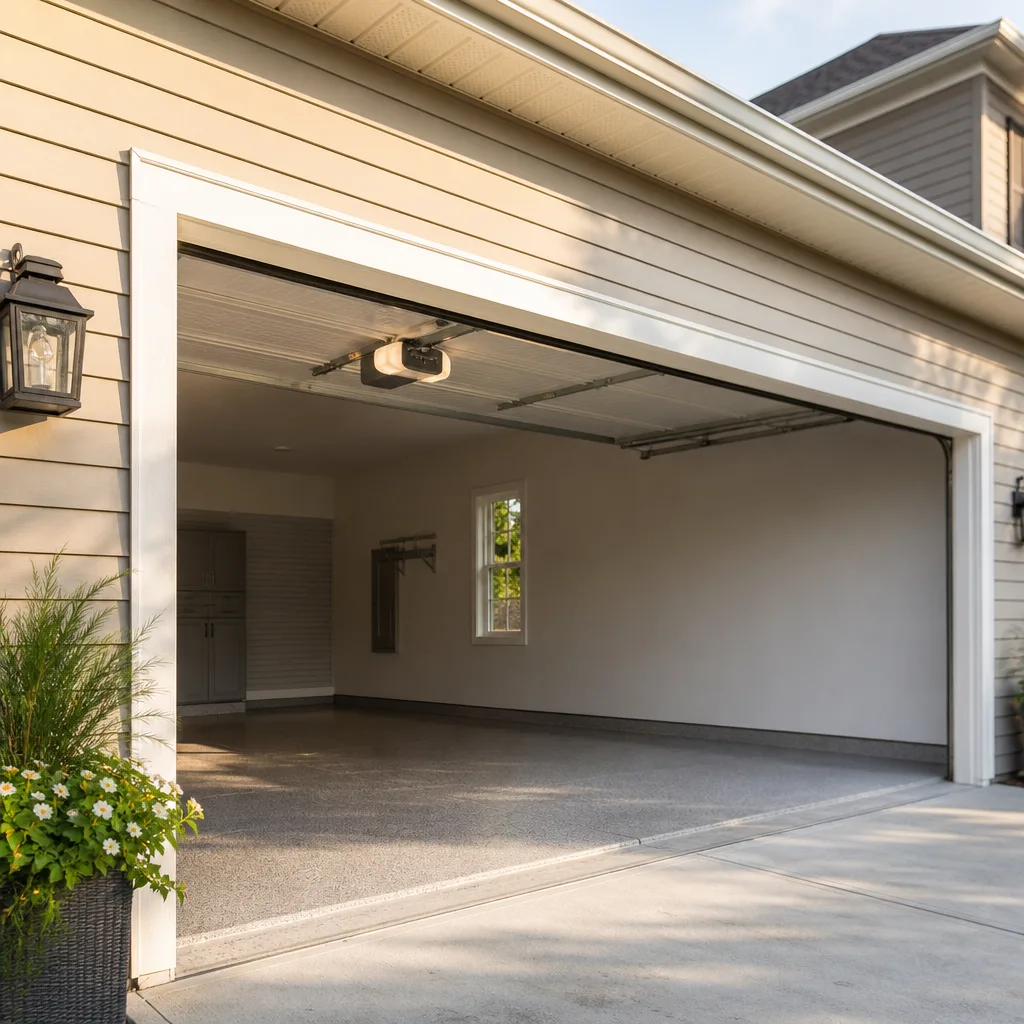
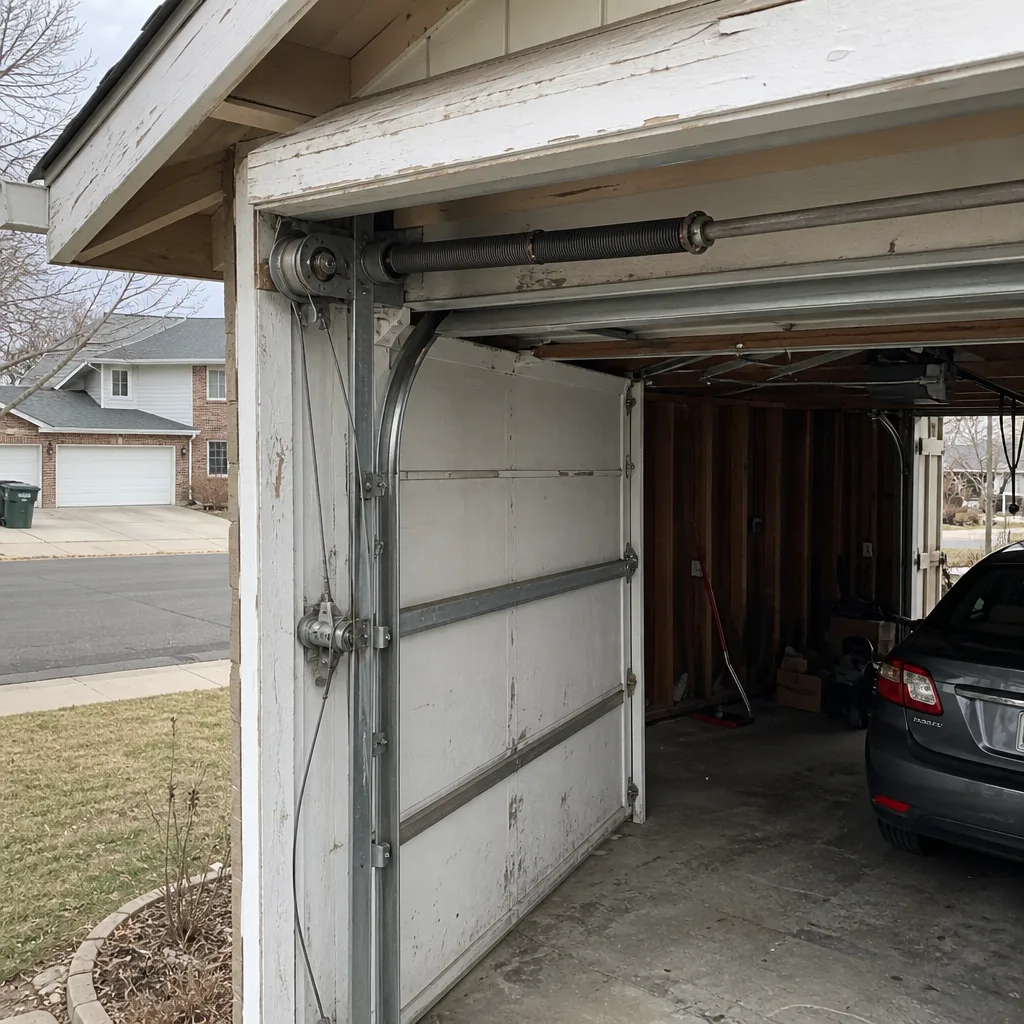 Before
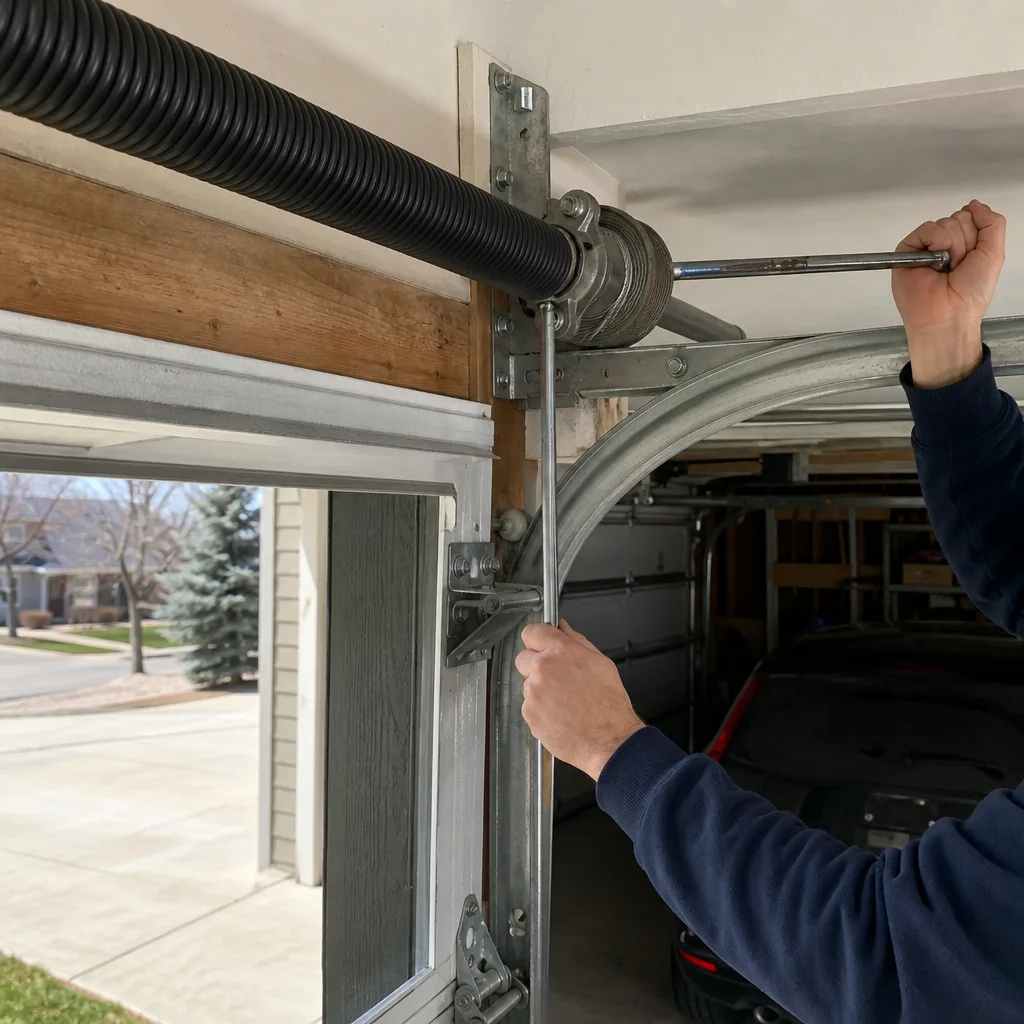 After
After Before
 After
After Before
 After
AfterGarage Door Permits, Codes & Inspections in CO: What You Need to Know
A garage door replacement in Westminster almost never requires a permit, but the exceptions are specific enough that guessing wrong creates real problems at resale. Add a new electrical circuit for an opener, widen a rough opening, or modify the header beam above the door, and you’ve entered permit territory in Jefferson County. This guide maps exactly where Colorado and local Westminster code draw the line, what inspectors actually check, and how to confirm your project’s status before work starts. For more guides & resources, visit our blog.
Quick Answer
In Westminster, Colorado, a straightforward garage door swap, where you replace the door and track using the existing rough opening with no structural or electrical changes, does not require a building permit under Jefferson County code. Permits are triggered when the work involves structural changes like modifying the header or widening the opening, adding new electrical circuits for openers, or altering fire-rated assemblies between an attached garage and living space. Non-permitted structural changes create title and disclosure problems when the house sells.
Table of Contents
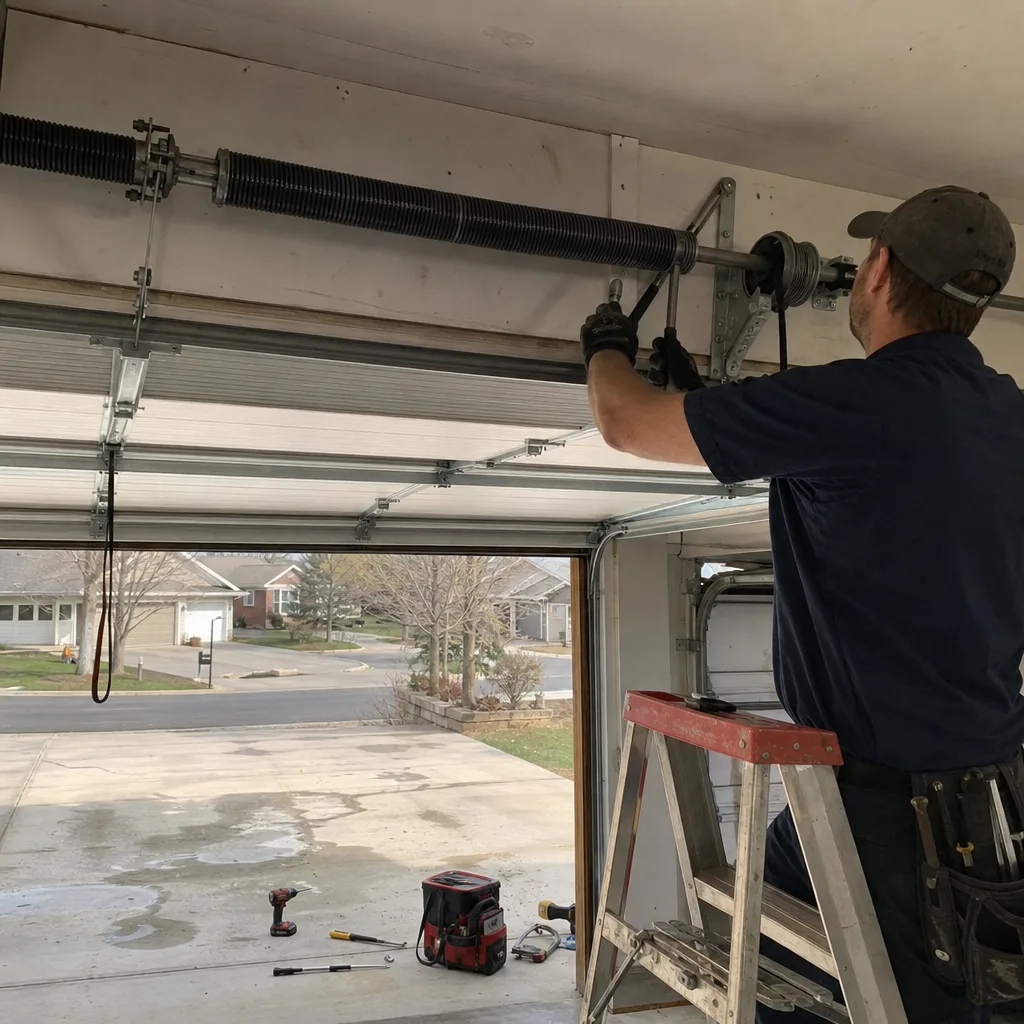
- When a Permit Is Actually Required in Westminster
- Work That Does Not Require a Permit
- IRC and Colorado Code Requirements That Apply Regardless
- Fire-Rated Door Requirements for Attached Garages
- How to Pull a Permit Correctly in Jefferson County
- What Happens at Resale If Unpermitted Work Is Discovered
- How to Confirm Your Project’s Permit Status Before Work Starts
- Common Mistakes to Avoid
- When to Call a Professional
- Frequently Asked Questions
- The Bottom Line
 Before
 After
AfterWhen a Permit Is Actually Required in Westminster
Westminster sits in both Adams and Jefferson counties, and the county line runs right through residential neighborhoods, so your permit jurisdiction depends on which side of the line your house falls on. Jefferson County Building Safety handles permits for the western portion of Westminster, and Adams County covers the eastern side. Both counties follow the International Residential Code (IRC) with local amendments, which is why you’ll see consistent rules across metro Denver.
A building permit is required for garage door work in any of these four conditions:
- Header beam modification: If the work changes the load-bearing header above the door opening, you need a permit and an engineered drawing. This applies when widening an opening for a larger door or replacing a damaged header.
- Rough opening size change: Widening, heightening, or otherwise altering the framed opening is structural work. A permit is required, and the new header must be sized to span the larger opening.
- New electrical circuit: Adding a dedicated circuit for a garage door opener requires an electrical permit. This includes running new wire from the panel, installing a new receptacle, or adding a separate circuit for a battery backup system.
- Fire-rated assembly alteration: Cutting into or modifying the fire-rated wall or door assembly between an attached garage and living space triggers a permit. The IRC requires a 20-minute fire-rated door or a solid wood door not less than 1 3/8 inches thick in this location.
One Westminster-specific nuance: many homes built in the 1970s and 1980s in the Sherrelwood, Shaw Heights, and Hyland Hills neighborhoods have non-standard door openings. When homeowners discover their opening is 7 feet tall instead of the modern 8 foot standard, they often ask us about converting it. That conversion is a header modification and a permit job, every time. It’s also work where the price difference between quoting it right and quoting it wrong runs into thousands of dollars. Before starting any major project, review our Garage Door Repair Maintenance Checklist for Westminster Homeowners.
We’ve pulled permits alongside homeowners in Westminster enough to know the sequence cold. The permit application goes through the Jefferson County Building Safety Division or Adams County Community and Economic Development, depending on address. The application requires a site plan sketch, a description of the structural work, and, for header changes, a stamped engineering letter. The inspection typically happens after the rough framing is done and before the new door is hung.
Work That Does Not Require a Permit
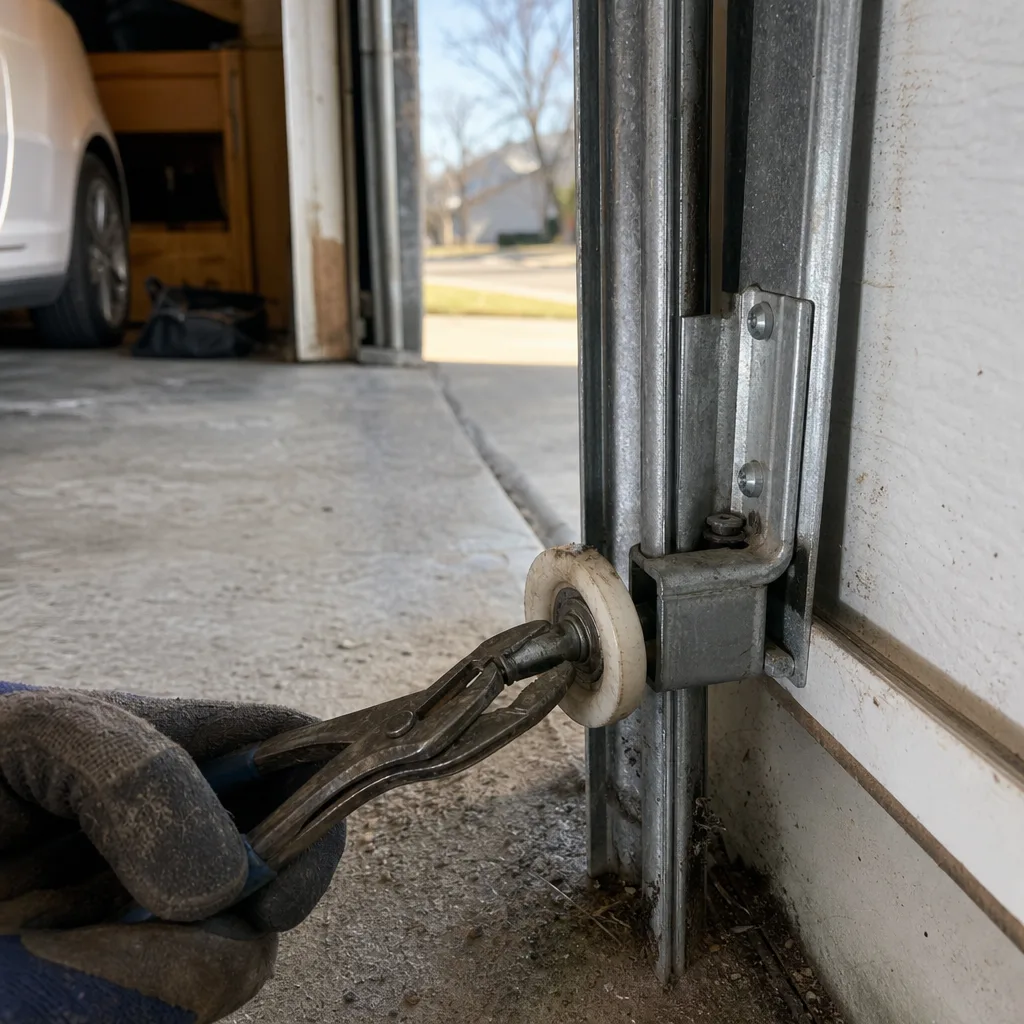
The most common garage door projects in Westminster fall into the no-permit category. If the work means removing an existing door and track and installing a new door in the same opening without touching the framing or electrical, no permit is needed. This covers the majority of repair and replacement calls we handle around the city, from the older split-levels off 88th Avenue to the newer builds near Standley Lake. Watch for Garage Door Warning Signs: A Westminster Homeowner’s Reference Guide to catch issues early.
Here’s what you can do without pulling a permit:
- Full door replacement: Swapping an existing sectional door for a new one of the same nominal size, using existing track and mounting points.
- Track replacement: Replacing worn or damaged vertical and horizontal track with new track of the same configuration.
- Spring replacement: Replacing torsion or extension springs. This is considered a repair item, not a structural change. The spring is matched to the door weight, and the replacement happens on the existing mounting brackets.
- Opener replacement using existing circuit: If an existing 120-volt receptacle is already mounted in the ceiling for the opener, replacing the opener unit itself is not electrical work. You’re plugging a device into an existing outlet.
- Panel replacement: Replacing dented or damaged sections of a sectional door, keeping the existing track and hardware.
- Weather seal and roller replacement: Routine maintenance items with no structural component.
One clarification that saves homeowners confusion: replacing an opener with a newer model that still plugs into the existing ceiling receptacle does not require an electrical permit. The circuit already exists. The code question only arises when you need a new circuit run, a new outlet installed, or the existing outlet relocated. If the new opener draws the same amperage and plugs into the same receptacle, you’re not doing electrical work in the eyes of the county.
If you’re considering a door replacement and the opening is standard, this guide applies to you as a no-permit job. Our technicians handle Garage Door Installation in Westminster daily, and we tell every customer the same thing: if we’re not touching the header, the opening, or the panel, there’s no permit conversation to have. The written scope you receive before work begins states whether a permit applies to your project.
IRC and Colorado Code Requirements That Apply Regardless
Here’s what most homeowners don’t realize: even when no permit is required, the work still has to comply with the IRC as adopted by Colorado and Jefferson County. A permit is a process, not a code. The code applies to the outcome whether anyone inspected it or not. When a door is installed badly, the failure shows up as an injury, a property damage claim, or a resale problem.
The IRC provisions that matter for garage doors in Westminster include:
- Auto-reverse force limits (Section 309.4): Every opener installed after 1993 must reverse on contact with a 2-inch solid object placed on the floor, and the photoelectric sensors must be mounted no higher than 6 inches off the floor, wired in series, and tested monthly by the homeowner per manufacturer instructions.
- Header beam sizing (Section 602.7): The header above a garage door opening is a load-bearing element. For a standard 9-foot-wide opening in a single-story house, the IRC requires a minimum 4×8 or equivalent header depending on roof load, snow load for Jefferson County, and span. Undersized headers sag or fail, and the repair is a permit job.
- Fire separation (Section 302.5.1): An attached garage must be separated from the residence by 1/2-inch gypsum board on the garage side of walls and ceiling, and the door between the garage and living space must be a 20-minute fire-rated door or a solid wood door at least 1 3/8 inches thick, with a self-closing hinge. A garage door is not required to be fire-rated under the IRC, but the door between garage and home is, and that’s often where DIY work creates violations.
- Ventilation and gas appliance clearance (Section 302.5): Openings in the garage walls facing the home must be sealed, and gas-fired appliances in the garage require 18-inch elevation of ignition sources. Garage door work rarely touches this, but the inspection sequence for larger projects may bring a code official through the entire garage, and violations get flagged.
- Egress door code (Section 311): If the garage has a door to the exterior, it must swing out, be a minimum of 32 inches wide, and have a landing. This doesn’t change with a door swap, but it’s checked during inspections of structural garage work.
Snow load is a real consideration in Westminster. The county falls in a snow load zone requiring garage door headers to be sized for 30 to 40 pounds per square foot of roof snow load, depending on elevation and exposure. When homeowners widen an opening and install an undersized header, the failure often doesn’t happen the first winter. It happens in the third or fourth year, after a heavy spring snow, when the load cycles have done their work on the wood. By then the installer is gone and the homeowner owns the repair.
Fire-Rated Door Requirements for Attached Garages
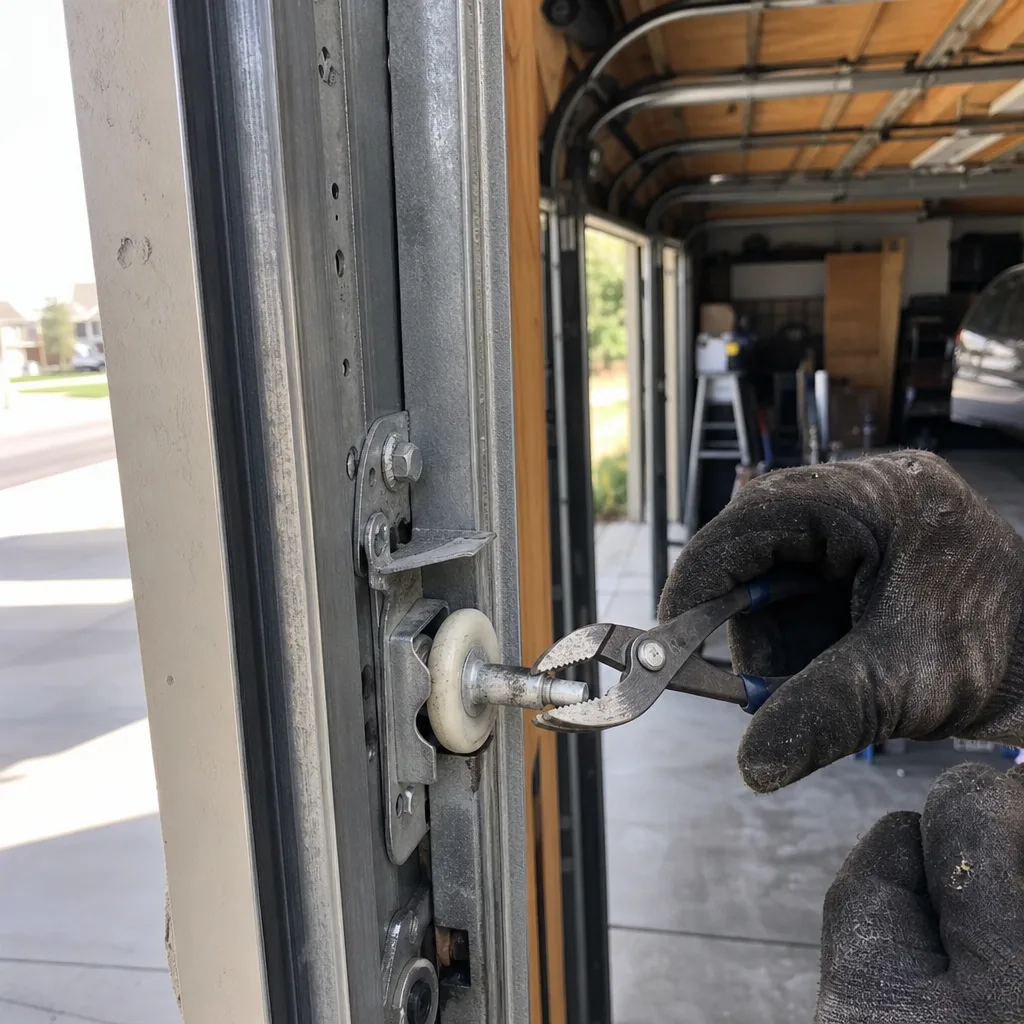
This section addresses the single most common code violation we see in older Westminster homes: the self-closing requirement on the door between an attached garage and the living space. The IRC is clear: in a garage attached to a dwelling unit, the door between the garage and the house must be either a 20-minute fire-rated door or a 1 3/8-inch solid wood door, and it must be equipped with a self-closing device. Period.
In our experience working on garage door projects around Westminster, roughly half the homes we enter have that self-closing hinge bypassed or missing entirely. Homeowners remove it because it’s annoying. A spring-loaded hinge that closes the door every time you carry groceries through the garage gets old fast. But the code exists for a real reason: an attached garage is the most likely room in the house to contain a fire ignition source, from a car’s hot exhaust to a battery charger to stored gasoline. The fire-rated door and self-closing hinge buy time for occupants to get out and for the fire to be contained.
What this means for garage door work: if you’re converting a carport to an enclosed garage in Westminster, or if your project touches the wall between garage and home, the building inspector will verify this door meets the fire separation standard. If it doesn’t, you’ll fail inspection until it’s corrected. That correction is not expensive, a fire-rated door and self-closing hinge runs $300 to $600 installed, but it must happen before the inspector signs off.
For the garage door itself, Westminster and Jefferson County do not require a fire-rated door panel or fire-rated track. The fire separation concern is the wall assembly and the man door. Garage doors are not fire-rated assemblies under the IRC. This is a point of confusion because some fire departments and home inspectors mention fire-rated garage doors in checklists, but the code does not require them for residential use. If a door salesperson tells you a fire-rated garage door is required by code in Westminster, ask them to cite the section. They won’t be able to.
How to Pull a Permit Correctly in Jefferson County
If your project does trigger a permit, the process is manageable. Here’s the sequence, step by step, based on what we’ve walked Westminster homeowners through when a header modification or opening resize is required:
- Determine your jurisdiction. Check your address against the county map. Western Westminster addresses fall under Jefferson County Building Safety. Eastern addresses fall under Adams County. Your utility bill or property tax statement will state the county. Call the right office the first time and you save a full trip.
- Prepare the required documents. For structural garage work, the county wants a site plan sketch showing the garage location on the lot, a drawing of the existing and proposed opening dimensions, and, for header modifications, an engineered letter from a Colorado-licensed structural engineer. The engineer’s letter typically runs $300 to $600 and takes a week or less.
- Submit the application. Both counties accept online submission through their permit portals. Jefferson County uses the Accela citizen portal. Adams County uses its own online permit system. The application fee for a residential alteration permit generally runs $150 to $400 depending on the valuation of the work.
- Schedule the inspection. After the permit is issued, the structural work is done, and before the new door is hung, you schedule a rough framing inspection. The inspector verifies the header size, the connection details, and the fire separation. Only after that passes do you hang the door.
- Complete the final inspection. Once the door and opener are installed, a final inspection verifies the completed work matches the approved plan. The inspector checks auto-reverse function, sensor placement, and that the door operates correctly. The permit is marked final, and you receive a certificate of completion for your records.
The timeline for a full permit sequence on a structural garage door project in Westminster is typically two to three weeks from application to final inspection, with roughly half that time being waiting for the engineer’s letter and the county’s review. If you’re on a tight timeline, like a roof or siding project already scheduled, get the permit process started first.
One practical note: if you hire a contractor for a permitted project, the contractor’s name and license number go on the permit application. Ask to see a copy of the permit before work begins. In our shop, the permit copy is included in the documentation package you receive when the job is scoped, and it’s referenced in the written scope from Clause 1 of The Haven Standard. You should never be in a position where a contractor says they’ll “take care of the permit” and you have no record of it.
What Happens at Resale If Unpermitted Work Is Discovered
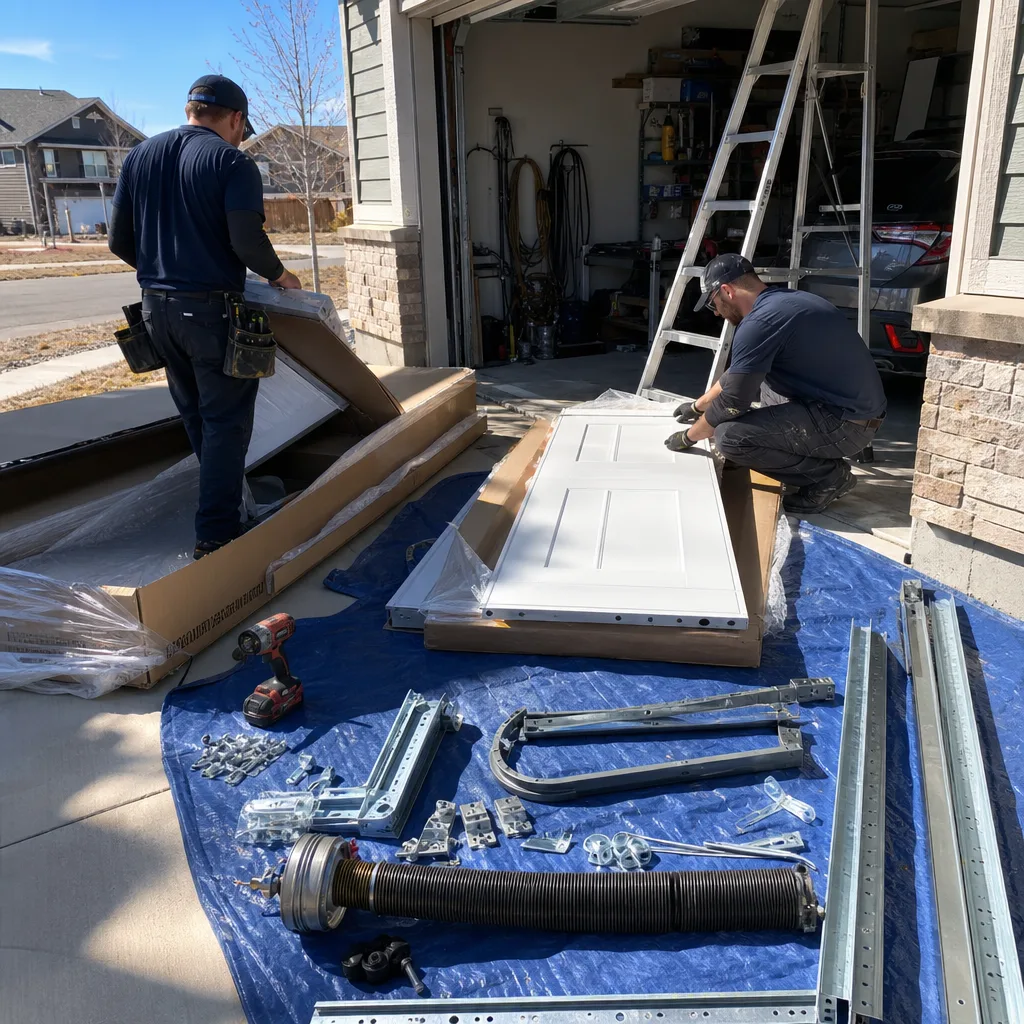
This is the scenario that gets expensive, and it’s the one most Westminster homeowners don’t think about because they bought the house with the prior owner’s work already in place. Colorado’s seller disclosure form (Sellers Property Disclosure) asks specifically whether any improvements were made to the property without required permits. The form is signed under penalty of perjury. If a prior owner widened a garage door opening without a permit and didn’t disclose it, and the buyer discovers it, the buyer has legal recourse.
The practical mechanics of an unpermitted garage door alteration at resale look like this:
- Lender appraisal flag: Appraisers in Colorado are required to note visible structural additions or alterations. If the appraiser sees an enlarged garage door opening that doesn’t match the tax record or the original construction, the appraisal report notes the discrepancy. Many lenders will not fund the loan until the permit situation is resolved.
- Buyer’s inspection flag: A diligent home inspector will note signs of structural alteration and recommend a permit check. From there, the buyer asks for proof of permit. If none exists, the negotiation shifts.
- Remediation cost range in Westminster: Fixing an unpermitted header modification typically runs $2,000 to $6,000 depending on what was done and whether the header was undersized. This range includes the engineer’s letter, the permit fees, opening the wall, correcting the framing, and the inspection sequence. It does not include replacing the garage door itself.
- Title issues: In Colorado, a title company will not generally insure over an active building code enforcement case or a known structural modification without permits. The title commitment may include an exception until the permit is resolved, which means the closing waits.
We’ve walked into Westminster homes where the prior owner made a 16-foot-wide opening by cutting out a header entirely and hanging the wider track on a single 2×6. The door worked fine until the first wet snow loaded the roof, and then the ceiling sagged an inch over the door. The seller’s disclosure moment came as a surprise to a homeowner who hadn’t known the work was unpermitted when they bought.
The disclosure issue cuts both ways: if you’re selling a Westminster home and you know garage structural work was done without a permit, the safest path is to disclose it and negotiate from there. A disclosed, correctly priced remediation is cheaper than a post-closing legal claim. And if you’re buying, the permit record request should be part of your due diligence, alongside the inspection.
How to Confirm Your Project’s Permit Status Before Work Starts
Before any garage door project that might touch structure or electrical, verify the permit status yourself. It takes fifteen minutes and it prevents a conversation you don’t want to have later. Here’s the sequence we recommend to Westminster homeowners:
- Identify your county. Look at your property tax statement or utility bill. It says Jefferson County or Adams County. This determines which building department has jurisdiction.
- Call the right department. Jefferson County Building Safety at (720) 807-1427, or Adams County Community and Economic Development at (720) 807-1427. Ask for the residential permit desk. State your address and ask whether any open or historical permits relate to garage work on the property.
- Request a permit history search. Both counties can run a permit history for your address, often over the phone or through the online portal. The history shows permits for the original construction and any subsequent alterations. If a garage alteration happened with a permit, it’s here.
- Check the property record card. The county assessor’s office maintains a property record card showing the square footage, garage dimensions, and construction details as originally recorded. Compare that to what you see in the field. A garage door opening significantly wider than original without a corresponding permit is your red flag.
- Ask your contractor to confirm in writing. Before work starts, your contractor should state in the written scope whether the project requires a permit. If they won’t put it in writing, find another contractor. This is a basic professional standard.
If you’re on our site reading this, you’re likely within our Servo Garage Doors Westminster home service area or close to it. We include the permit applicability statement in every written scope we deliver, whether it’s a straight door swap or a structural modification. Clause 1 of The Haven Standard means you get the written price before work starts, and the permit question is answered in that same document.
Common Mistakes to Avoid
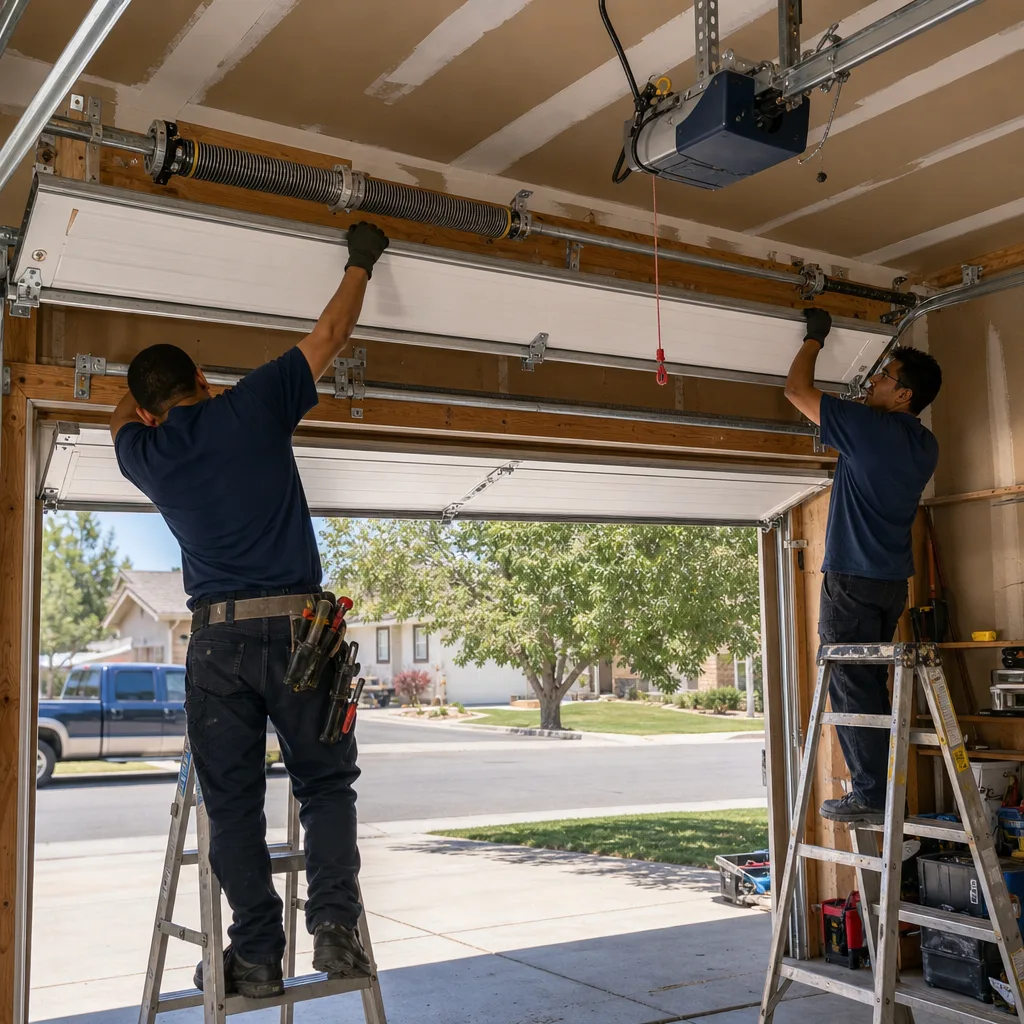
- Assuming “no permit” means “no code.” The code applies whether or not a permit was required. A door installed with missing or misaligned sensors fails the same safety standard regardless of paperwork. You’ll discover it the first time someone tests the door with a box in the path.
- Widening an opening without an engineer. The single most expensive DIY mistake in Westminster garage work is cutting the header wider without running the span calculation. Header failures don’t show up immediately, and by the time they do, you’re into a $2,000 to $6,000 remediation.
- Using an existing opener receptacle for a new circuit. Adding a second opener or a high-draw accessory by tapping the existing circuit trips breakers at best and creates a fire hazard at worst. A new circuit needs a permit.
- Skipping the self-closing hinge on the man door. It’s a $40 part and a five-minute install, but missing it fails a fire separation inspection and can delay a closing. We see it regularly in Westminster homes of every vintage.
- Not asking for a permit copy from a contractor. If a contractor tells you they’re pulling the permit, ask for the permit number or a copy before work starts. If the answer is vague, the permit may not exist.
- Choosing a door size before checking the opening. Westminster homes built before 1990 often have 7-foot openings where today’s standard is 8 feet. Ordering an 8-foot door for a 7-foot opening means either returning the door or converting the opening, and the conversion is a permit and header job.
- Treating the permit conversation as optional with your contractor. A contractor who won’t answer a direct question about permits in writing is telling you something about how they handle the rest of the job. The written answer is the standard.
For a related walkthrough on what’s involved when any work is done on your garage door, see our full Garage Door Repair in Westminster page. The same commitment to written pricing and documentation applies whether the job is a spring replacement or a structural modification.
When to Call a Professional
If your garage door project touches the header, the rough opening, or the electrical panel, call a contractor who can show you their license, their permit history, and their written scope. These are not jobs where you want a handshake and a verbal quote. In Westminster, the building department will want the structural work verified by a licensed contractor or engineer, and the permit application reflects whoever is doing the work.
Servo Garage Doors Westminster offers free estimates in Westminster, and every estimate includes a written statement of whether a permit applies to your project. Call (720) 807-1427 and a person answers, 24 hours a day, seven days a week.
For opener-specific work, including the electrical considerations that come with newer smart openers and battery backup systems, see our Garage Door Opener Repair & Installation in Westminster page.
Frequently Asked Questions
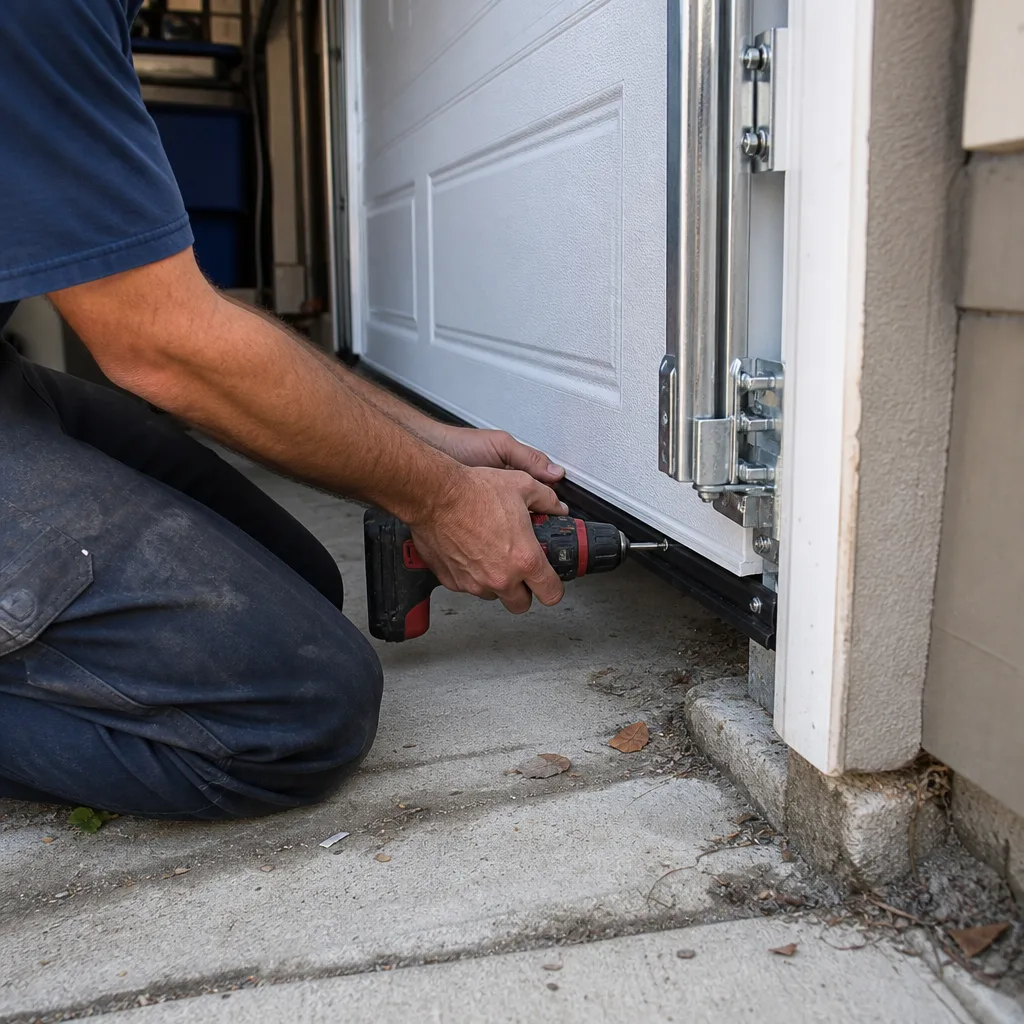
No permit is required in Westminster for replacing a garage door in the same opening without structural or electrical changes. The swap is considered a repair or replacement, not an alteration. The answer changes if you modify the header, widen the opening, or add a new electrical circuit.
A residential alteration permit for structural garage work in Jefferson County typically runs $150 to $400, depending on the project valuation, plus $300 to $600 for the engineered letter if the header is involved. The total permit package for a typical opening resize runs $450 to $1,000 before construction costs. Call the Jefferson County Building Safety office for your specific valuation tier.
No. The IRC as adopted in Colorado does not require a residential garage door to be fire-rated. The fire-rated requirement applies to the door between an attached garage and the living space, which must be a 20-minute fire-rated door or a 1 3/8-inch solid wood door with a self-closing hinge.
You must disclose it on Colorado’s Sellers Property Disclosure form, and the buyer’s lender may flag the unpermitted alteration during appraisal. Filing a permit retroactively typically costs $2,000 to $6,000 including the engineer’s letter, permit fees, corrective framing, and inspections. The closing can be delayed until the permit situation is resolved.
No. Converting a 7-foot opening to an 8-foot opening requires cutting and rebuilding the header, which is structural work. A permit and an engineered header design are required in both Jefferson and Adams counties. This is one of the most common permit-triggering projects we see in older Westminster neighborhoods, and skipping the permit creates a resale liability.
The contractor normally applies for the permit as part of the job scope, and their name and license number appear on the application. If you’re doing the work yourself as a homeowner, you apply in your own name. Either way, you should receive a copy of the permit before structural work begins. If your contractor won’t provide one, that’s a red flag. Our written scopes include the permit applicability statement, and the permit copy is part of the documentation you receive when structural work is quoted.
The Bottom Line
Most garage door replacements in Westminster are no-permit jobs, and the code still applies to the finished work whether anyone inspected it or not. The line is drawn at the header, the rough opening, and the electrical panel. Cross that line without a permit and the problem stays with the house until someone sells it, at which point Colorado’s disclosure requirements bring it into the light, usually at the worst moment. Know which side of the line your project falls on before work begins. Confirm it in writing with your building department and your contractor. A fifteen-minute phone call and a written statement in your job scope are the difference between a clean title and a $2,000 to $6,000 remediation.
Written by Marcus Deller, Owner at Servo Garage Doors Westminster, serving Westminster since 2015.